
How to Build the Perfect Summer Poolside Playlist
Updated: Aug 20

A great poolside playlist starts with understanding tempo. Songs at 60–80 BPM promote relaxation and lower stress hormones, while tracks around 120 BPM keep energy up during social gatherings. Mix genres, layer your playlist by time of day, and pair the right speakers with the right setup to get the most out of your backyard pool experience.
There's a certain feeling you get when the sun is out, the water is cool, and the music is just right. Everything clicks. Conversation flows easier, the afternoon stretches longer, and your backyard starts to feel less like a yard and more like a destination. That's not a coincidence. Music has a measurable effect on mood, stress, and even how we experience time.
If you've ever had a poolside gathering fall flat because the playlist felt off, you know how much it matters. The right mix of songs can carry guests from a relaxed afternoon float to an energetic evening cookout. The wrong one can make people restless, or worse, reach for their own phones. Here at Aquatic Creations of Ohio, we've spent decades helping Central Ohio homeowners build beautiful outdoor spaces. Music is one of the last pieces of that puzzle, and it deserves just as much thought as the pool itself.
This guide covers everything from the science of relaxation music to genre recommendations, playlist flow, speaker setup, and how your pool design plays into the full sensory experience.
Key Takeaways: |
|---|
|
|
|
|
|
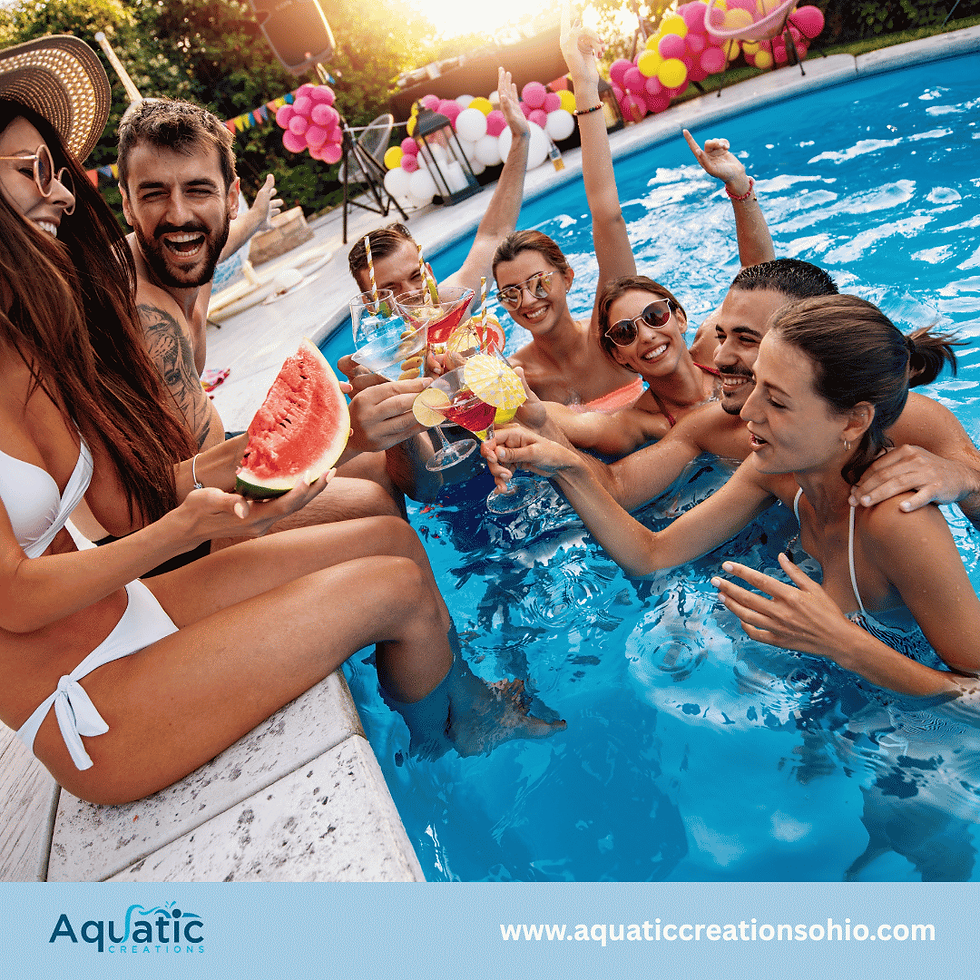
Why Does Music Have Such a Strong Effect at the Pool?
The science here is straightforward. According to research published on Ask The Scientists, music directly affects cortisol levels (the body's primary stress hormone), heart rate, respiratory rate, and blood pressure. Slow-tempo music, particularly tracks between 60–80 beats per minute (BPM), has been shown to reduce heart rate and lower blood pressure. At 60 BPM specifically, music can induce alpha brainwaves, the same mental state associated with calm focus and restful relaxation.
Faster songs, around 116–120 BPM (the average for popular pop music), do the opposite. They raise alertness and energy, which is exactly what you want when guests are arriving and the grill is going.
The poolside environment amplifies these effects. Water reflects sound differently than interior spaces, and the open air creates a natural sense of calm that music can either support or disrupt. A jarring playlist pulls people out of that relaxed state. A well-built one deepens it.
What Genres Work Best for a Summer Poolside Playlist?
There's no single answer, but a few genres consistently land well in outdoor settings. The key is variety with intention. Jumping between genres that clash in energy or tone will feel choppy. Think of each genre as a chapter in the same story.
Tropical and reggae are the most reliable choices for daytime relaxation. Bob Marley's "Three Little Birds," Weezer's "Island in the Sun," or any classic from Jimmy Buffett creates an immediate sense of escape. These tracks tend to sit in the 70–90 BPM range, which is calm enough for lounging but rhythmic enough to feel upbeat.
Acoustic and soft folk work well for smaller, more intimate gatherings. Think Jack Johnson, Norah Jones, or Ben Harper. The stripped-down instrumentation blends naturally into background ambiance without demanding too much attention.
Electronic and ambient music serves a different purpose. Artists like Petit Biscuit or Tycho produce tracks that sit in that 70–85 BPM zone with lush textures and minimal vocals. They're especially effective for late afternoon when the heat is peaking, and conversation slows down.
Soft pop and indie round out the mix. Tracks like "Sunflower" by Post Malone and Swae Lee, or "Peach" by Broods, bridge the gap between relaxation and energy. They're familiar enough to feel comfortable, fresh enough to avoid feeling like a time capsule.
How to Structure the Flow of Your Playlist Throughout the Day
A playlist isn't just a list of songs. It's a sequence, and that sequence should mirror the natural rhythm of the day. Start slow and build energy as the afternoon wears on, then bring it back down as the evening settles in.
Early afternoon (arrival): Start guests off with something gentle. Acoustic tracks and reggae in the 60–75 BPM range set a welcoming tone without overwhelming conversation. This is the best time for instrumental ambient tracks if your group tends toward quieter socializing.
Mid-afternoon (peak sun, peak energy): Shift toward upbeat soft pop and tropical rhythms. Aim for 90–110 BPM. Tracks should feel fun and familiar. This is when the classic summer hits earn their spot: "Kokomo," "Watermelon Sugar," "Levitating."
Late afternoon to early evening (golden hour): This is the sweet spot of the day, and the playlist should reflect it. Mellow electronic and indie tracks work well here. The BPM can hover around 80–100, and the overall feel should be warm and nostalgic.
Evening wind-down: Bring the energy back to where you started. Soft acoustics, jazz-adjacent picks, and anything with minimal percussion help guests naturally shift into a calmer mode. This transition feels natural rather than abrupt when you plan for it.
You can also check out this relaxing pool playlist on Spotify or this Summer Pool Party playlist to help give you some ideas!
Practical Tips for Setting Up Music at Your Pool
Sound quality matters as much as song selection. Playing a great track through a tinny, underpowered phone speaker undercuts the experience. For outdoor use, waterproof Bluetooth speakers are the standard choice, and the IP rating is the number to pay attention to. Speakers rated IP67 or IP68 can handle rain, splashing, and humidity without failing.
According to RTINGS.com's 2026 outdoor speaker rankings, the JBL Boombox 4 is currently the top-rated outdoor speaker for poolside use, while the JBL Charge 6 offers an excellent balance of portability and IP68 waterproofing at a lower price point.
For streaming, Spotify and Apple Music both offer curated summer and pool playlists that are ready to go out of the box. These are useful starting points, though building your own gives you far more control over the flow and pacing. Spotify also allows collaborative playlists, which can be a fun way to let guests contribute before or during a party.
Volume is worth thinking about carefully. A good rule of thumb is to keep outdoor music at a conversational level, roughly 50–60 decibels at the seating area. That's loud enough to feel present and set the mood, but quiet enough that guests can speak in a normal voice without raising it. It also keeps things respectful for neighbors, which matters more in residential areas than people often anticipate.
Finally, consider power. Bluetooth speakers with long battery life (10+ hours) are ideal so you're not scrambling for an outlet mid-afternoon. Position speakers strategically so the sound reaches the pool deck and seating areas evenly, rather than blasting from one corner of the yard.

How Your Pool Design Affects the Music Experience
This is something most people don't think about until they're already sitting poolside, and then it becomes obvious. The layout of your outdoor space has a direct effect on how sound travels and how the overall atmosphere feels.
At Aquatic Creations, we've designed and built custom pools across Central Ohio for over 50 years, and the best outdoor entertainment spaces share a few common elements. Defined zones matter. A well-placed hardscape patio, for example, creates a natural gathering area that anchors the space and gives you a clear spot to set up speakers. Without that structure, sound tends to dissipate, and the space feels unfinished.
Raised walls, pergolas, and patio covers also help contain sound in useful ways. They reflect music back toward guests rather than letting it scatter into the yard. Coupled with the right speaker placement, these features make a real difference in how music sounds at the pool level versus at the seating area.
You can browse our completed projects in our gallery to see how our pool and hardscape designs come together as a full outdoor environment. If you're in one of our service areas and thinking about a new pool or an update to your current space, the design decisions you make now will shape how you enjoy it for years.

Frequently Asked Questions
Q: What tempo works best for relaxation music at a pool?
A: Songs between 60–80 BPM are most effective for relaxation. Research shows this range can lower heart rate and blood pressure, and music at 60 BPM specifically can induce alpha brainwaves associated with calm mental states.
Q: Can I just use my phone to play music by the pool?
A: Technically yes, but the sound quality and volume range of most phones aren't well suited for outdoor spaces. A dedicated Bluetooth speaker with an IP67 or IP68 waterproof rating will deliver far better sound and hold up against splashing and humidity.
Q: How loud should poolside music be?
A: Aim for around 50–60 decibels at the main seating area. That's roughly the level of a normal conversation, which means guests can hear the music clearly without having to raise their voices to talk.
Q: What's the easiest way to find a ready-made poolside playlist?
A: Spotify and Apple Music both have curated summer and pool playlists that are updated regularly. Search "pool party," "summer vibes," or "tropical chill" on either platform, and you'll find solid options to use as a starting point.
Q: How does pool design affect the music experience?
A: Hardscape features like patio covers, pergolas, and defined seating areas help contain and direct sound toward guests. A well-designed outdoor space gives you better speaker placement options and creates natural acoustic boundaries that improve how music sounds at pool level.
Your Backyard Has More Potential Than You Think
A great summer playlist is one piece of a larger puzzle. Music sets the mood, but the space itself determines how that mood lands. When the pool, the patio, the lighting, and the sound all work together, the result is something that feels less like a backyard and more like a retreat you actually look forward to coming home to.
If you're ready to take your outdoor space to the next level, Aquatic Creations of Ohio has been the most trusted pool builder in Columbus for decades. We've been building custom pools and hardscapes across Central Ohio for over 50 years, and every project starts with understanding exactly how you want to use your space. Reach out for a free quote, or find us on Google to see our reviews and to learn more about what we do.


Comments